
Inspect the flapper
Feel the underside. If it is stiff, chalky, warped, or has a slimy film, it is done. A good flapper is soft and flexible. In hard-water homes this is almost always the answer.
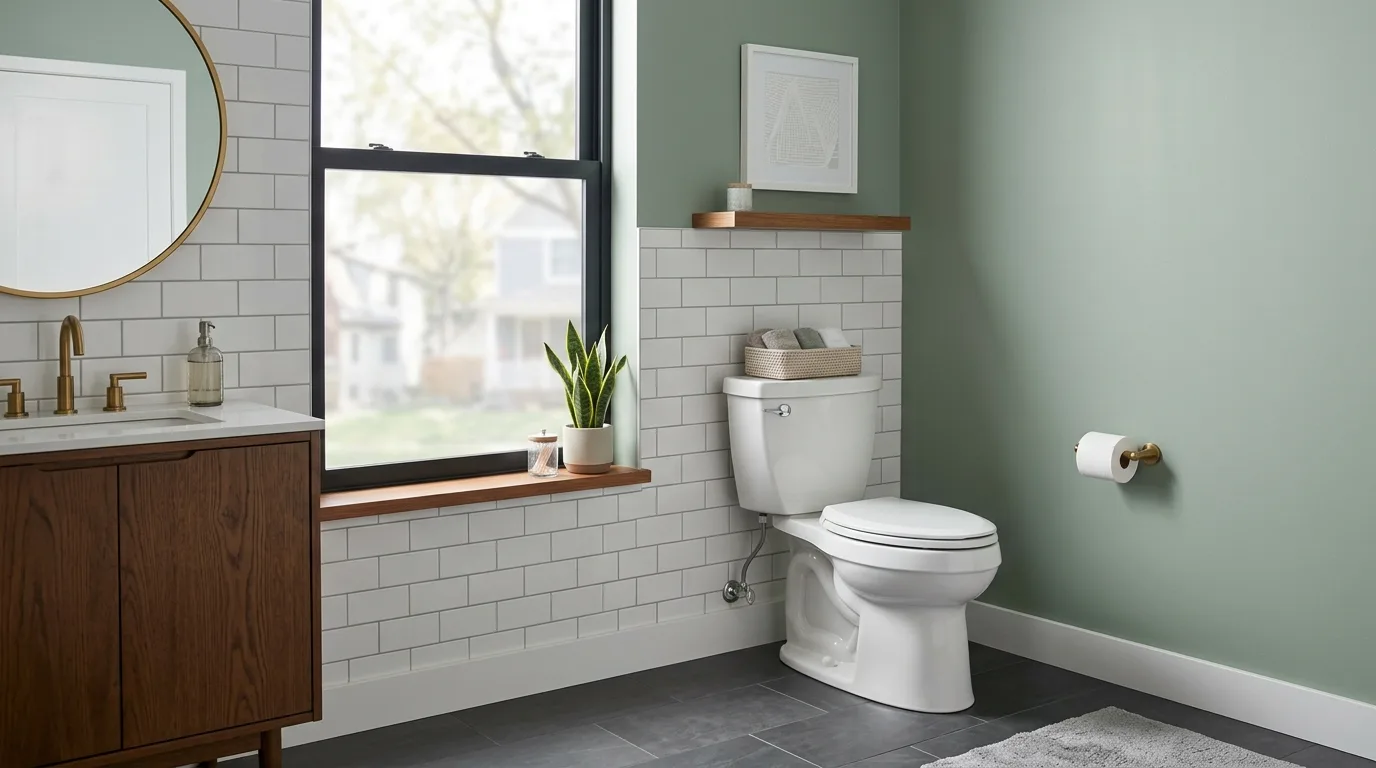
Running Toilet
How to fix a running toilet, step by step: check the flapper, adjust the fill valve, and learn the exact point it becomes a plumber job. Local advice from a licensed MN plumber serving the east metro.
Prefer to call or text? 651-247-4495
About Twin City Pipeworks
If you want to know how to fix a running toilet, the honest answer is that most of the time it is a ten-minute job you can do yourself, and the rest of the time it is a worn part that a plumber should replace. Twin City Pipeworks is a licensed, insured MN plumbing shop working the east metro and St. Croix Valley within about 30 minutes of Lake Elmo, and we have fixed exactly this problem in Stillwater, Oakdale, and White Bear Lake homes for 20 years. This guide walks you through the checks a homeowner can safely do, then draws a clear line at the point where it becomes a flat-rate toilet repair and replacement with upfront per-task pricing.
Here is the pattern most online guides miss. In the older east metro homes we work, the builder-grade toilet that came with the house is usually running because of hard water, not age alone. The metro sits on 12 to 17 grain water in a lot of neighborhoods, and that mineral load stiffens and warps the rubber flapper faster than the manufacturer ever planned for. So a flapper that should last five or six years gives out in three. Knowing that changes the fix: before you replace a whole toilet chasing a phantom leak, it pays to check the two parts hard water kills first.
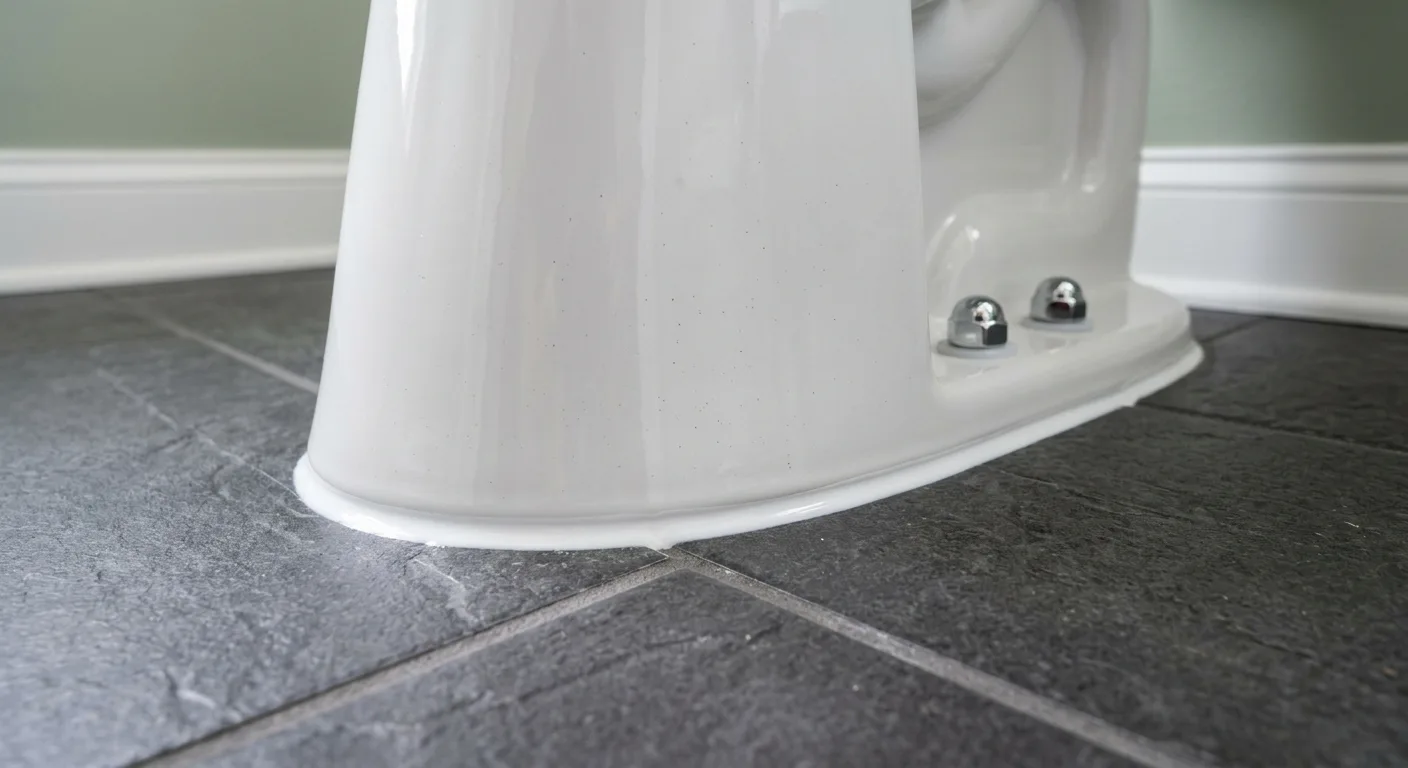
A running toilet almost always traces back to one of two parts: the flapper at the bottom of the tank, or the fill valve on the left side. Lift the tank lid, watch the water for two minutes, and you can usually tell which one before you touch anything. Water trickling down into the bowl means the flapper. Water spilling into the overflow tube means the fill valve or the float.
Run this quick test before buying any parts. Take off the tank lid, flush once, and watch what happens as the tank refills and settles.
Sort the flapper-versus-fill-valve question first and you have already narrowed the problem more than most homeowners do before they book anything. When it is a worn part rather than a quick adjustment, book a flat-rate toilet repair and replacement online and you will know the number before any work starts.
Why does my toilet keep running comes down to four culprits: a worn flapper, a misadjusted or failing fill valve, a water level set too high, or a corroded flush valve seat that no new flapper will seal against. The first three are DIY-friendly. The fourth is where a plumber earns the call.
The most common by far is the flapper. It is a cheap rubber part that opens when you flush and drops back to seal the tank. Hard water and pool-style tank tablets both eat away at it, and once it stiffens or warps even slightly, water sneaks past into the bowl.
When we pull a flapper in a White Bear Lake or Vadnais Heights home, the underside usually feels chalky and hard instead of soft rubber. That is the mineral scale doing its work. A soft new flapper seals against the same seat the old one could not.
The second cause is the fill valve, the tall assembly that refills the tank after each flush. When it wears out it either will not shut off completely or it lets the level creep up until water spills into the overflow tube and drains away nonstop. And the quietest cause of all is a water level set too high from the factory or a previous repair, which sends a slow steady stream over the overflow all day. We cover the honest fix for each below.
Why Twin City Pipeworks
Feel the underside. If it is stiff, chalky, warped, or has a slimy film, it is done. A good flapper is soft and flexible. In hard-water homes this is almost always the answer.
A chain with too much slack lets the flapper drop crooked and leak. Too tight and it holds the flapper open. Adjust so there is just a little slack when the flapper is closed.
Run a finger around the flush valve seat the flapper lands on. Mineral grit or a nick keeps a good flapper from sealing. Wipe it clean and smooth. If you feel deep pitting or corrosion, that is a plumber job.
Flappers are not one-size-fits-all. Take the old one to the hardware store or match the toilet model number stamped inside the tank. The wrong flapper leaks no matter how new it is.
If your toilet fill valve keeps running, start with the water level, because a level set too high mimics a broken valve exactly. The water should sit about an inch below the top of the overflow tube. Most fill valves have a clip or a screw on the float that lowers the shutoff point in seconds. Drop it a half inch and watch whether the running stops.
If lowering the level does not fix it, the valve itself is likely worn. A fill valve that will not shut off completely, or that hisses and refills on its own, has usually lost the internal seal. These are inexpensive parts, and a confident DIYer can swap one in under an hour with the water shut off at the stop valve.
The part a homeowner cannot fix with any new flapper or valve is a corroded flush valve seat. When the plastic or brass seat the flapper lands on has pitted or warped, no replacement flapper will hold, and the whole flush valve has to come out. On a one-piece toilet or an older builder-grade unit, that repair is involved enough that replacing the toilet is sometimes the smarter money. We give you both numbers, per task, before you decide. Get an instant quote on a common toilet repair, or book online.
Why Twin City Pipeworks
A worn flapper, a chain out of adjustment, or a water level set too high. These are ten-minute jobs with the water shut off. If a new flapper stopped the running, you are done. Do not book a plumber for a two-dollar part.
A fill valve swap when the stop valve behind the toilet turns freely and holds. If you are comfortable shutting the water and following the instructions on the box, this one is within reach.
A corroded flush valve seat that no new flapper will seal, a stop valve that will not turn or weeps, water pooling at the base, or a toilet that rocks. These need a plumber to fix correctly.
An older builder-grade toilet needing a full flush-valve rebuild, a cracked tank or bowl, or a unit you already wanted to swap for a water-saving model. We carry water-saving toilets on the truck and give you the repair-versus-replace number both ways.
A running toilet wasting water is not a rounding error on your bill. A silent flapper leak can pass 200 gallons a day, and a fill valve stuck open runs far more than that. Over a month that is thousands of gallons going straight down the drain, and in the east metro homes we work on city water and sewer, you pay for that volume twice, once as water in and once as sewer out.
The frustrating part is that the smallest leaks cost the most over time because nobody hears them. A phantom flush every few minutes seems harmless, but it runs day and night for weeks before a homeowner notices the bill.
We have had homeowners in Oakdale and Mahtomedi call about a water bill that doubled, convinced they had a hidden pipe leak, when the whole thing was a three-dollar flapper letting the tank bleed into the bowl around the clock.
A quick way to catch a silent leak: put a few drops of food coloring in the tank, wait 15 minutes without flushing, and check the bowl. If color shows up in the bowl, the flapper is leaking. That test costs nothing and settles the question before your next bill does. When the fix is a worn part rather than an adjustment, book a flat-rate toilet repair and replacement online, backed by a 1-year warranty on all work.
Book your repair
If you have replaced the flapper, adjusted the level, and your toilet still will not stop, the problem is a worn valve or a corroded flush seat, and that is where we take over. Twin City Pipeworks handles flat-rate toilet repair and replacement across the east metro and St. Croix Valley, including toilet repair for White Bear Lake homes and toilet repair in Vadnais Heights. Upfront per-task pricing, fully insured, 1-year warranty on all work. Get an instant quote on a common repair, or book your visit online. Prefer a person? Call or text (651) 247-4495.
Prefer to call or text? 651-247-4495
Two easy ways to get started
Keep Exploring
Jump straight to the service or info you need, or book your repair online any time.
Twin City Pipeworks
Honest, upfront pricing and a 1-year warranty on every job. Book your visit online, or get an instant quote on a common repair.
Prefer to call or text? 651-247-4495
Good to Know
From online booking to finished job, simple and transparent every step of the way.
Pick a visit time online, or get an instant quote on a common repair. No phone tag.
We assess your job and give you clear, honest pricing before any work begins. No surprises.
A licensed plumber shows up on time, does the job right, and cleans up when finished.
We walk through the finished work with you, backed by our 1-year warranty on all work.
Ready to get your plumbing fixed?
Book online in under a minute. Prefer to call or text? 651-247-4495.