
Correct Sizing
An undersized unit can't meet peak demand. Oversized units cycle inefficiently and wear faster. We calculate your first-hour rating requirement before recommending any equipment.
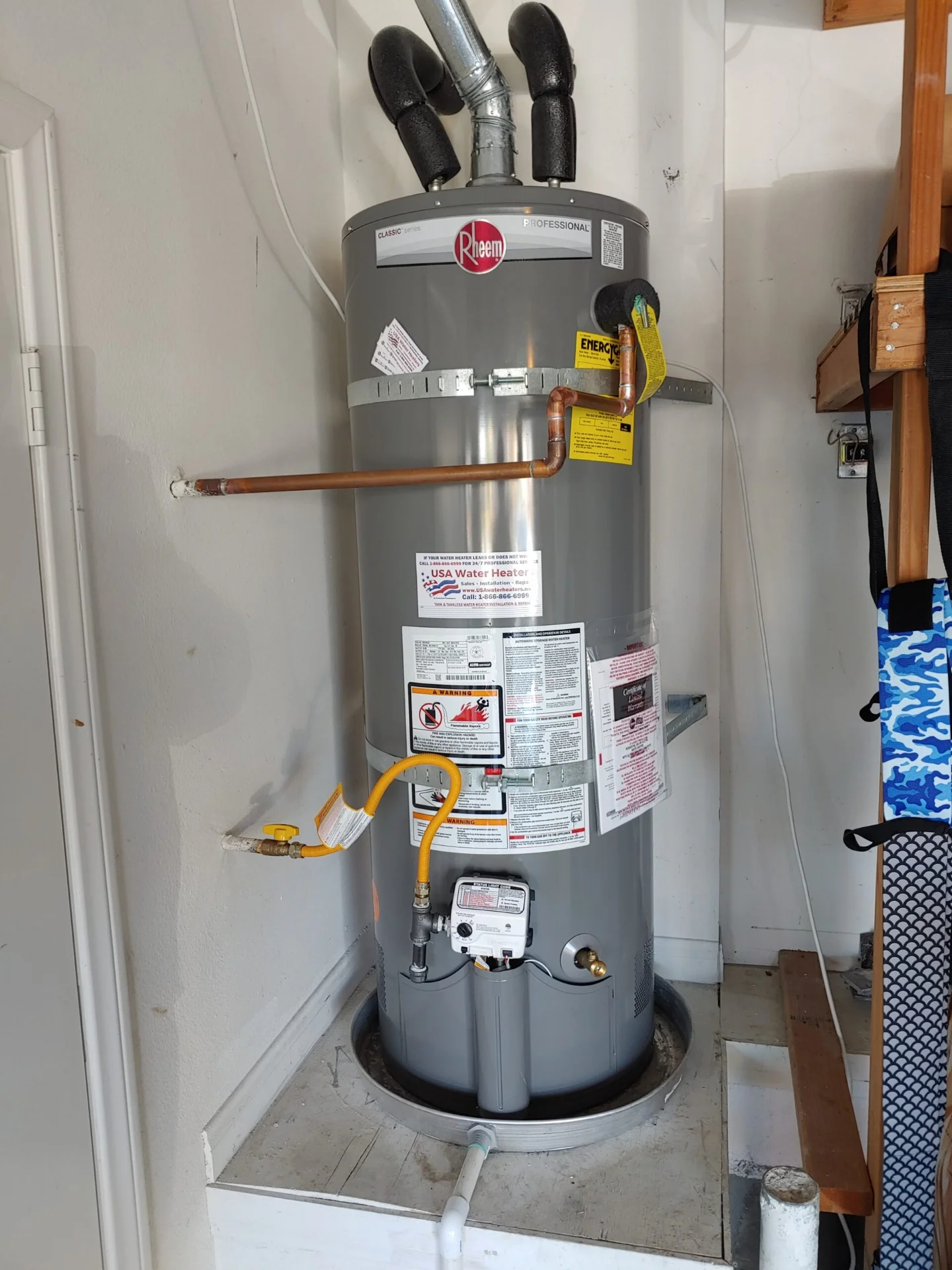
Water Heater Installation
Tankless or traditional, installed right. Licensed MN plumber, 1-year warranty on all work. Book online with Twin City Pipeworks for upfront pricing.
Prefer to call or text? 651-247-4495
About Twin City Pipeworks
Twin City Pipeworks handles tank and tankless water heater installation across the east metro and St. Croix Valley, for homes within about 30 minutes of our Lake Elmo base, from Stillwater and Woodbury to White Bear Lake and Maplewood. A properly sized and installed tankless unit can cut your hot water costs by 30% or more while ending the cold-shower problem for good, but only if it's matched to your home's fuel and space. We've been doing this work for 20 years, we're fully insured and licensed in Minnesota, and every installation comes backed by a 1-year warranty on all labor. We stock common tank sizes and can schedule the swap quickly once we've diagnosed your setup, so book online to get on the schedule.
The right water heater for your home depends on fuel type, household size, available space, and how much hot water your peak hour actually demands. A 40-gallon tank that worked for a couple doesn't work for a family of five. Tankless units require proper gas line sizing or adequate electrical capacity, and skipping that step is the most common reason a new unit underperforms. Heat pump water heaters need at least 700 cubic feet of air space to operate efficiently. We assess all of it before we pull a permit or order equipment. Cost drivers include the unit type, existing infrastructure, permit fees, and whether a gas line or electrical panel upgrade is needed. The total range for a full water heater install in the east metro runs from roughly $2,000 to $6,500 and up depending on those factors. Every job is different, and we give you upfront, per-task pricing before any work begins.
Honestly, most online guides oversimplify this. The answer depends on four things: your fuel source, your peak hot water demand, your available space, and how long you plan to stay in the home. Tankless gas units are the most popular upgrade we install. They're compact, efficient, and they deliver hot water on demand indefinitely. Electric tankless works in some homes but requires serious amp capacity that older east metro homes often don't have. Heat pump water heaters are excellent for energy savings but need ambient air space and climate conditions that don't always work in Minnesota basements. Standard tank water heaters still make sense for smaller households or where budget is the primary constraint. We'll tell you which unit fits your actual situation, not the one with the highest margin for us.
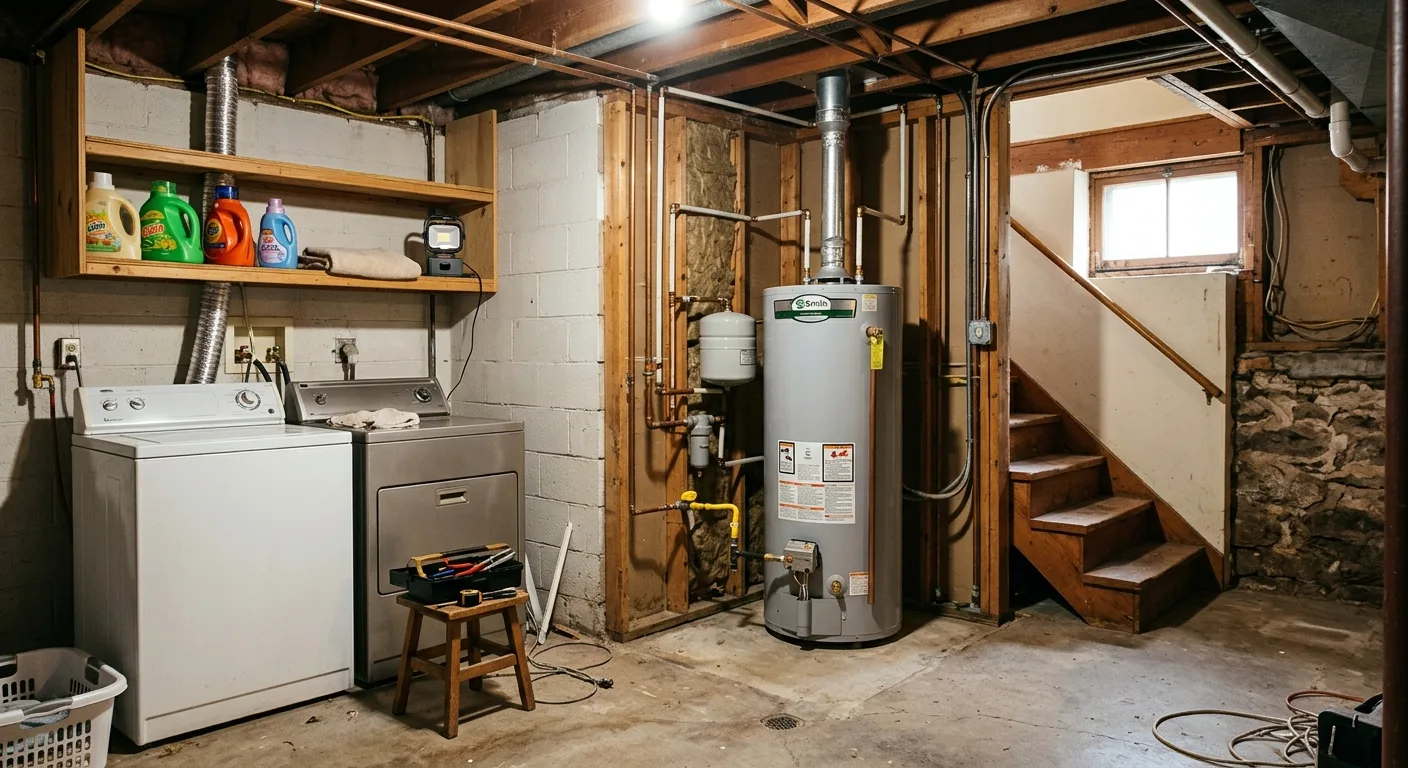
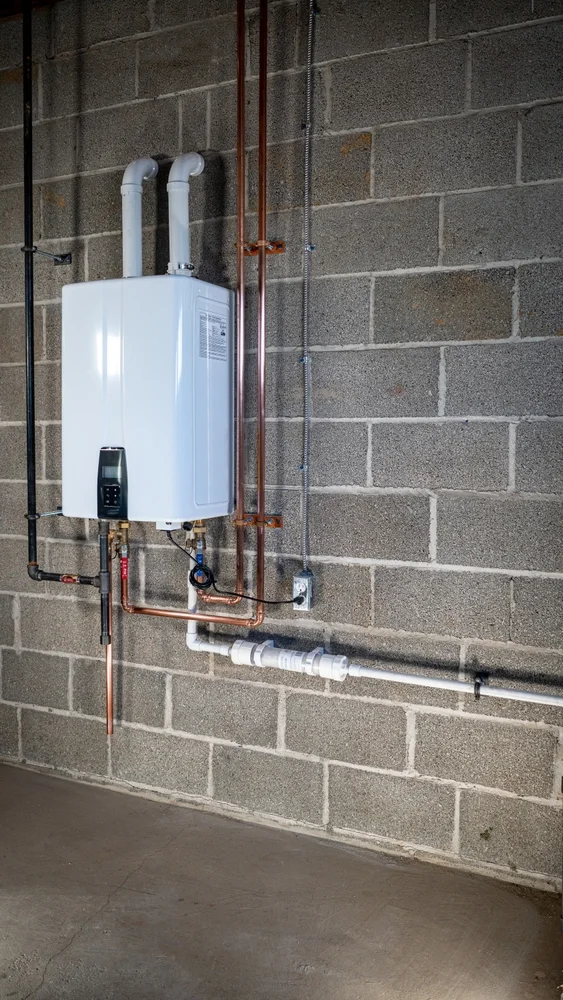
Tankless makes sense when you have a natural gas line with room to upsize, enough wall space for a sealed direct-vent unit, and a household that runs hot water hard enough that on-demand delivery actually pays off. Tank makes sense when budget matters most, when your gas line or electrical service can't support the peak draw a tankless demands, or when the install location simply can't accommodate the venting. Neither is universally better. The right call comes down to your specific home, and in the east metro and St. Croix Valley that often means the age of the house.
Here is how we frame the decision for the housing stock we actually work in:
"We'll tell you which unit fits your actual home, not the one with the highest margin for us. Sometimes that means talking a homeowner out of the tankless they came in asking for."
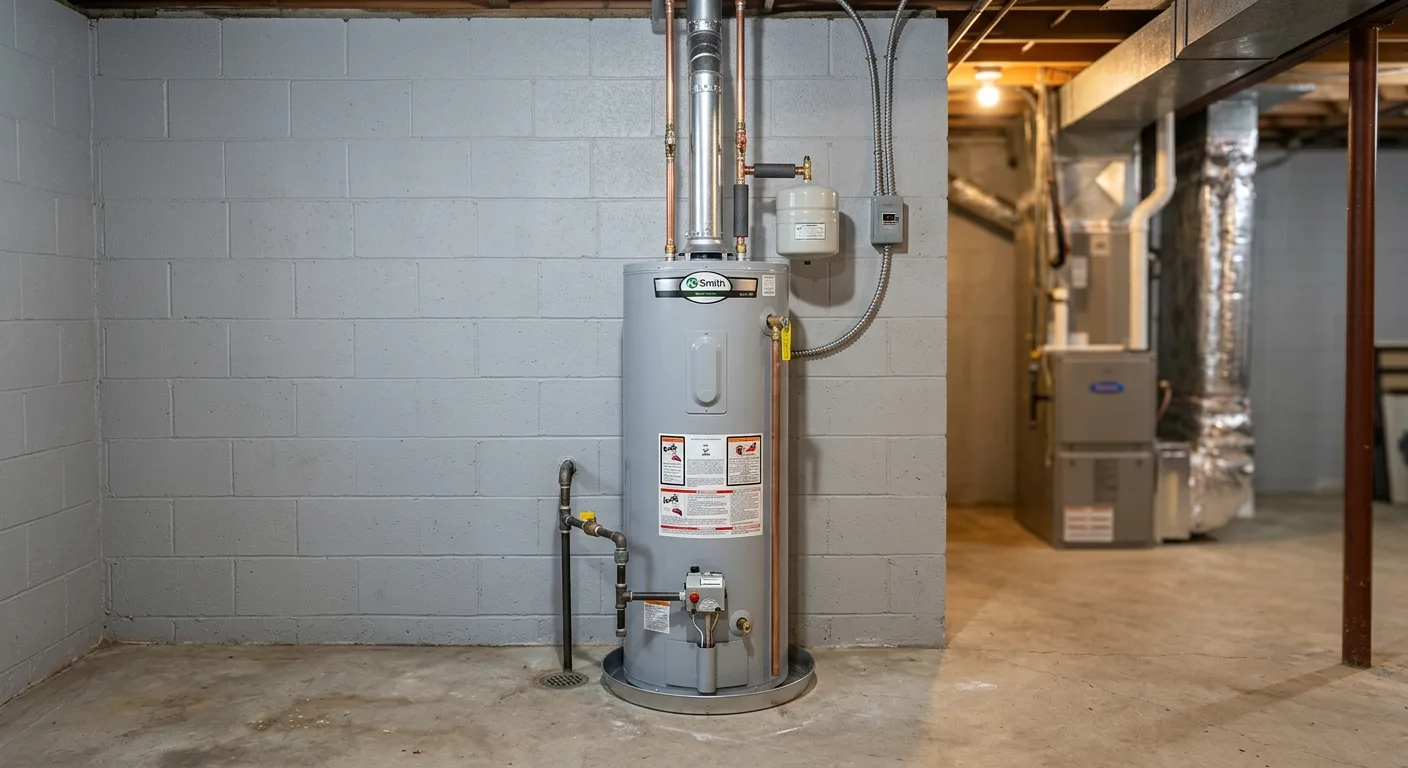
One honest caveat before you decide: if your current tank is under about 8 years old and the trouble is a single serviceable part, you probably do not need a new installation of any kind yet. A water heater repair will hold, and we'll tell you that straight. For Maplewood homeowners weighing a replacement in older galvanized-plumbed houses, our water heater installation in Maplewood, MN page walks through the local specifics. Ready to figure out which unit fits your home? Book online to get on the schedule.
Here's the part the national buying guides skip: Minnesota's cold inlet water changes the math on tank vs. tankless. Groundwater feeding east metro homes runs in the low 40s Fahrenheit in winter, sometimes colder near the St. Croix. A water heater has to raise that inlet temperature to 120 degrees, so the same unit that flew through a summer shower can lag in January. That single fact drives most of the sizing calls we make out here.
For a tankless unit, the number that matters is flow rate at your winter temperature rise, not the headline gallons-per-minute on the box. We size to the coldest month. A unit that delivers 6 GPM at a 45-degree rise might only deliver 4 GPM once it has to add 80 degrees, and 4 GPM is a shower plus one more fixture, not a full house. Undersize it for winter and you get lukewarm water exactly when you want it hottest.
"We size tankless units to Minnesota's winter inlet temperature, not the summer number on the spec sheet. That one adjustment is the difference between a unit that keeps up in January and one that disappoints you the first cold week."
Here is the short version of when each type wins in this climate:
If you're already out of hot water and trying to decide whether to repair or replace, start with our no hot water troubleshooting guide, or have us look at a repair first with water heater repair. Not sure which unit fits? Book online and we'll size it to your home, or get an instant quote on a common repair task.
Every installation starts with a site assessment, not a sales pitch. We check your existing gas line size or electrical capacity, inspect the flue or venting path, and confirm the space requirements before we recommend any equipment. Then we pull the required permit with your local municipality, because skipping permits is how homeowners get stuck with unpermitted work when they go to sell the house. We don't do that. Once equipment is confirmed, we remove the old unit, handle disposal, complete the new installation, test the system under live load, and walk you through the controls before we leave. The whole job is typically completed in a single scheduled visit. Every installation includes our water heater repair call-back guarantee: if something isn't right within the first year, we fix it at no charge.
Why Twin City Pipeworks
An undersized unit can't meet peak demand. Oversized units cycle inefficiently and wear faster. We calculate your first-hour rating requirement before recommending any equipment.
Tankless gas units require sealed, direct-vent flue runs. Improper venting creates carbon monoxide risk. We spec and install every flue run to MN code, full stop.
Every installation includes a properly rated T&P valve. Closed plumbing systems also need a thermal expansion tank to prevent pressure damage to supply lines.
We pull the permit every time. Unpermitted water heater work can void your homeowner's insurance and create problems at resale. We don't skip this step to save a day.
Before we pack up, we flush the new system, verify the temperature setting, check all connections under operating pressure, and confirm hot water delivery at every fixture we can access.
Minnesota adopted updated water heater efficiency and installation requirements that affect setback distances, venting materials, and seismic strapping. We know the current code.
Most tank water heaters last 8 to 12 years. Tankless units can run 20 years with proper maintenance. If your unit is approaching or past those marks, repair rarely makes financial sense. Other clear signals: rust-colored water at the tap, visible corrosion on the tank itself, a rumbling or popping noise during heating cycles (that's sediment buildup cooking against the heating element), or water pooling near the base of the unit. A slow leak at the tank seam means the tank has started to fail from the inside out, and that's a sign to get a replacement on the schedule rather than patch it. We've seen what a full tank failure does to a finished basement, and it's not a repair bill you want. Book a leak check if you're unsure what you're dealing with.
We install water heaters across the east metro and St. Croix Valley, within about 30 minutes of our Lake Elmo base. That includes Lake Elmo, Oakdale, Woodbury, Stillwater, Maplewood, Hugo, and Cottage Grove. Working the same ground for 20 years teaches you what the housing stock hides, and out here it hides two things worth planning around.
The first is hard water. Much of the east metro runs on private wells or municipal supply that carries a heavy mineral load, and that water eats anode rods. The anode rod is the sacrificial metal that corrodes so your tank doesn't, and on hard water it can be spent in three to four years instead of the six-plus you'd expect. We've pulled anode rods in Stillwater and Lake Elmo homes that were gone to bare wire well before the tank should have needed it, which is why we flag anode replacement as part of keeping a tank alive out here.
The second is undersized equipment in older basements. A lot of the post-war and mid-century homes in Maplewood, Oakdale, and the older Stillwater neighborhoods still run the original 40-gallon tank the house was built around, sized for a smaller family and warmer inlet water than we actually have. When that house now holds four or five people, a 40 can't keep up in winter no matter how new it is. We size to your real first-hour demand and to Minnesota's winter inlet temperature, and we install to current MN plumbing code: proper T&P discharge, an expansion tank on closed systems, sealed direct venting on gas units, and the permit pulled every time.
"An old 40-gallon tank in an east metro basement isn't undersized because it's old. It was sized for a smaller family and warmer water than we have. We size the replacement for the house as it is used now."
Browse every community we serve on our service area page, or jump straight to your city: Oakdale, Stillwater, or Woodbury. Ready to schedule? Book online and pick a time, or get an instant quote on a common repair task.
Real Reviews
Real feedback on upfront pricing, expert repairs, and service that gets the job done right.
Book your repair
Twin City Pipeworks handles the full job: permit, equipment, installation, and a 1-year workmanship warranty. We stock common tank sizes and can schedule the swap quickly after diagnosis. Book online to get on the schedule, or get an instant quote on a common repair task. Prefer to ask a question first? Call or text (651) 247-4495.
Prefer to call or text? 651-247-4495
Two easy ways to get started
Keep Exploring
Jump straight to the service or info you need, or book your repair online any time.
Twin City Pipeworks
Honest, upfront pricing and a 1-year warranty on every job. Book your visit online, or get an instant quote on a common repair.
Prefer to call or text? 651-247-4495
Good to Know
From online booking to finished job, simple and transparent every step of the way.
Pick a visit time online, or get an instant quote on a common repair. No phone tag.
We assess your job and give you clear, honest pricing before any work begins. No surprises.
A licensed plumber shows up on time, does the job right, and cleans up when finished.
We walk through the finished work with you, backed by our 1-year warranty on all work.
Ready to get your plumbing fixed?
Book online in under a minute. Prefer to call or text? 651-247-4495.