
Running Water in Tank
Usually a degraded flapper or a fill valve that won't shut off. We test both under pressure and replace the defective component with a OEM-spec or better part.
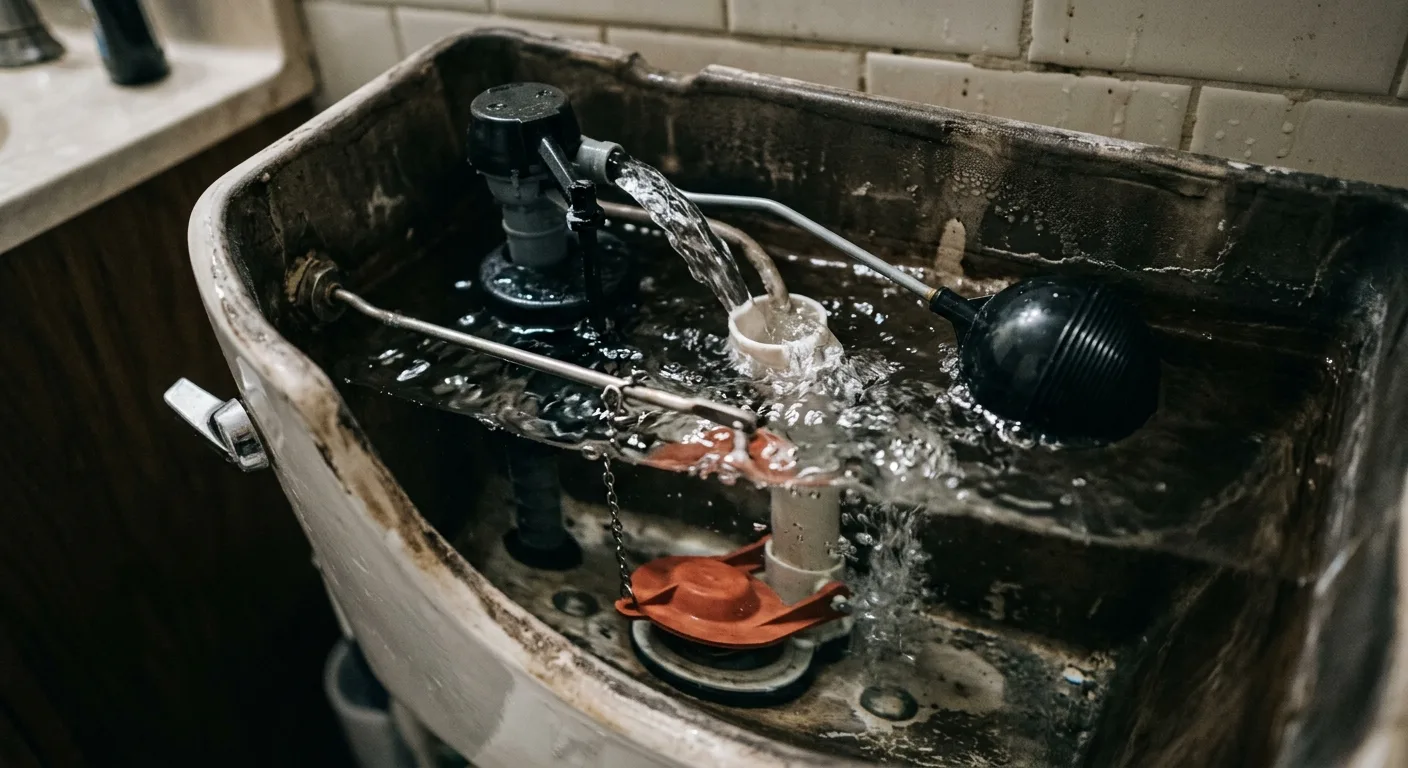
Toilet Repair Replacement
Running toilet or fill valve won't shut off? Twin City Pipeworks fixes flappers, fill valves, and wax rings across the east metro and St. Croix Valley. Upfront per-task pricing, 1-year warranty. Book online.
Prefer to call or text? 651-247-4495
About Twin City Pipeworks
Toilet repair is one of the most common jobs we handle, and a toilet that keeps running is usually the reason people book. It's not just annoying. It's wasting 200 gallons of water a day or more, and that's not an exaggeration. A worn flapper, a failing fill valve, or a float arm set too high can each keep water trickling through your tank continuously. Twin City Pipeworks has been diagnosing and fixing exactly these problems across the east metro and St. Croix Valley for 20 years, and every repair we do is backed by a 1-year warranty on all work. Book online to get on the schedule before your next water bill climbs.
Most toilet repairs come down to a handful of internal components: the fill valve, the flapper, the flush valve seat, the trip lever, or the wax ring that seals the base to the floor flange. Each has a typical failure mode, and a licensed plumber can diagnose the real cause in minutes rather than replacing parts at random. Full toilet replacements make sense when the porcelain is cracked, the trap is partially blocked beyond clearing, or you're ready to upgrade to a water-saving model. Twin City Pipeworks carries water-saving toilets on the service truck, so if a replacement is the right call we can take care of it in the same scheduled visit. Repair costs vary based on what component has failed and whether the supply stop valve needs replacing at the same time. Replacement costs depend on the fixture you select and whether the existing floor flange is in sound condition. Every job is different, and we give you upfront, per-task pricing before any work begins.
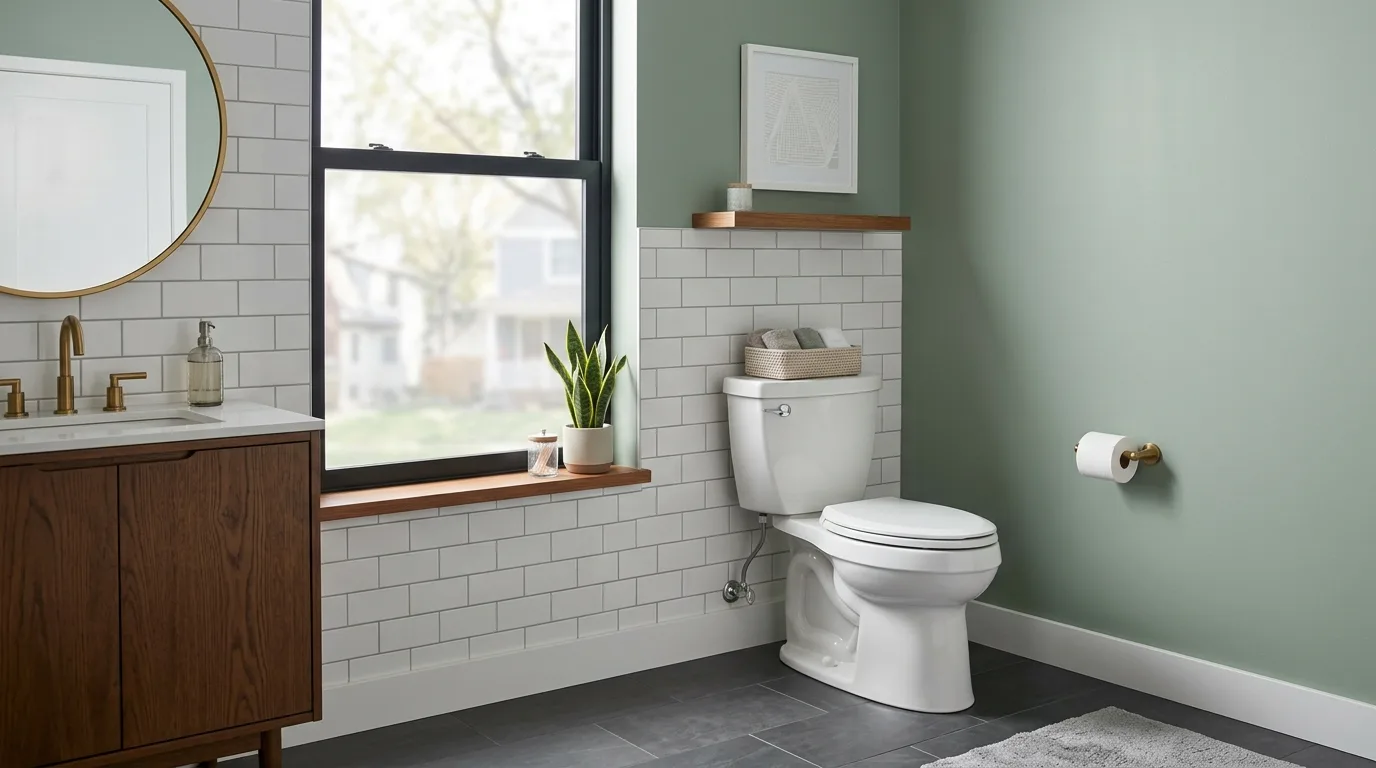
Most people hear the phantom flush and adjust the handle. That buys maybe a day. What's actually happening inside the tank is that the flapper seat has worn smooth, or mineral deposits from the hard water common across the east metro have built up on the fill valve seal, and water is constantly bypassing the seal into the bowl. Left alone, the fill valve runs continuously to compensate, and the float mechanism can eventually stick open entirely. A toilet that runs nonstop is also masking early signs of a slow leak at the base where the wax ring meets the floor flange. That slow seep doesn't show up as a puddle. It soaks into the subfloor. We've opened up bathroom floors where the visible toilet looked fine and found subfloor rot that had been building for two years, a pattern we see often in older lake-area homes around White Bear Lake where cast-iron floor flanges have aged. Don't let it get there.
Why Twin City Pipeworks
Usually a degraded flapper or a fill valve that won't shut off. We test both under pressure and replace the defective component with a OEM-spec or better part.
Weak or incomplete flushes point to a clogged rim feed hole, a worn flapper that opens too briefly, or a low tank water level caused by a misadjusted fill valve float.
If there's odor at the base or the toilet rocks when you sit on it, the wax ring seal is likely compromised. We set the toilet, re-wax with a double-wax ring where the floor flange sits below finished floor height, and bolt it level.
Hairline cracks in porcelain don't stay hairline. A cracked tank or bowl is a replacement, not a repair. We'll tell you honestly which one it is when we get there.
This is typically a fill valve that hasn't been serviced in years. In older homes across the east metro and St. Croix Valley, mineral buildup inside the valve body prevents the shut-off diaphragm from seating. A full valve swap fixes it in under an hour.
Braided supply lines fail at the compression fitting, and old angle stop valves seize open permanently. We replace both in the same visit so you're not calling us back in six months.
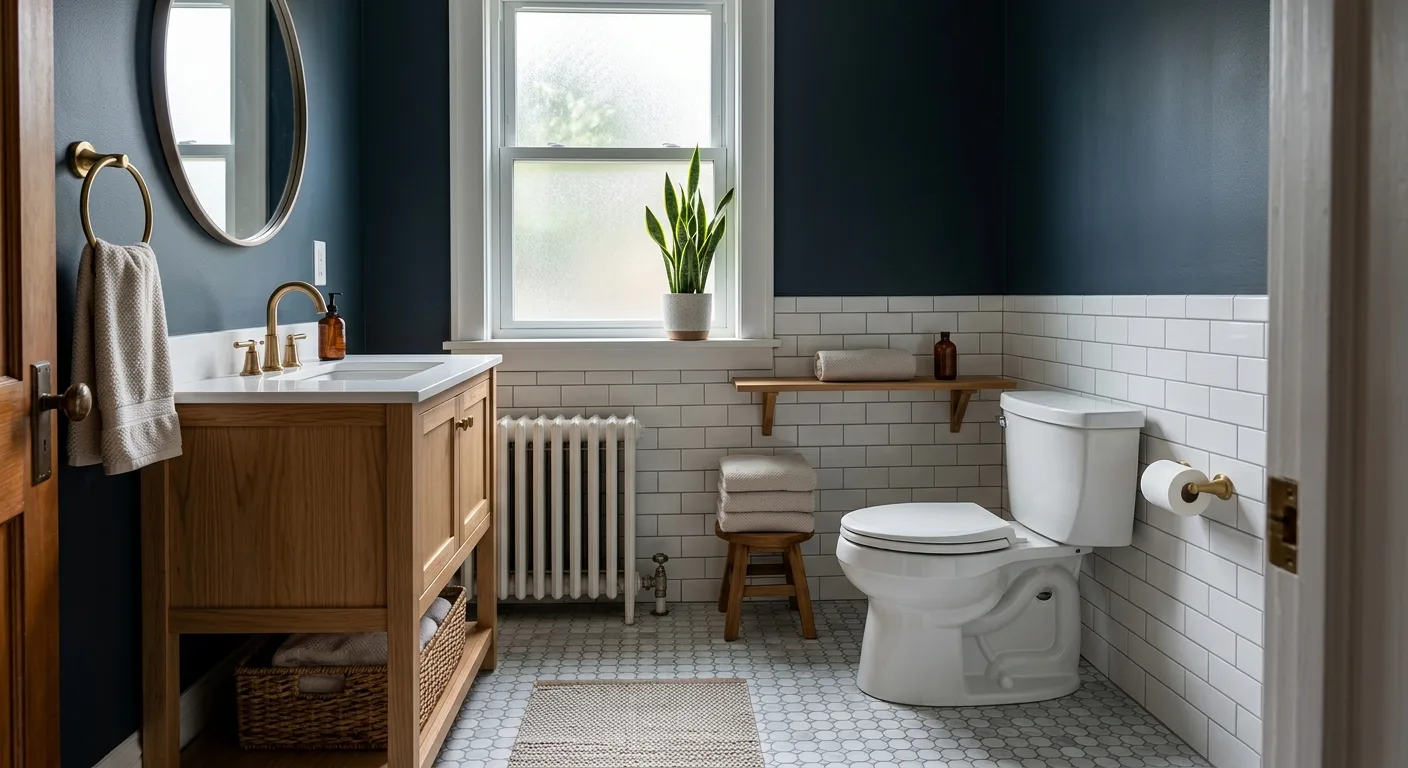
We start with a full inspection of the tank internals: fill valve, flapper, flush valve seat, and the water supply connection at the angle stop. We flush the toilet several times and observe the fill cycle to confirm exactly where the failure is. We don't replace parts that don't need replacing. If it's a $12 flapper, we tell you it's a $12 flapper. If the tank has multiple worn components, we'll recommend a complete tank rebuild kit rather than nickel-and-diming you with three separate service calls. For a full replacement, we shut off the water at the supply stop, disconnect the supply line, remove the toilet from the floor flange, inspect the flange for cracks or corrosion, install a new wax ring, and set the new fixture level before connecting the supply and doing a full test-flush cycle. We haul the old toilet away. Dave is fully insured, licensed in Minnesota, and carries common parts on the truck so most repairs finish in a single scheduled visit. If you're also dealing with a leak you've noticed, we can look at that while we're there.
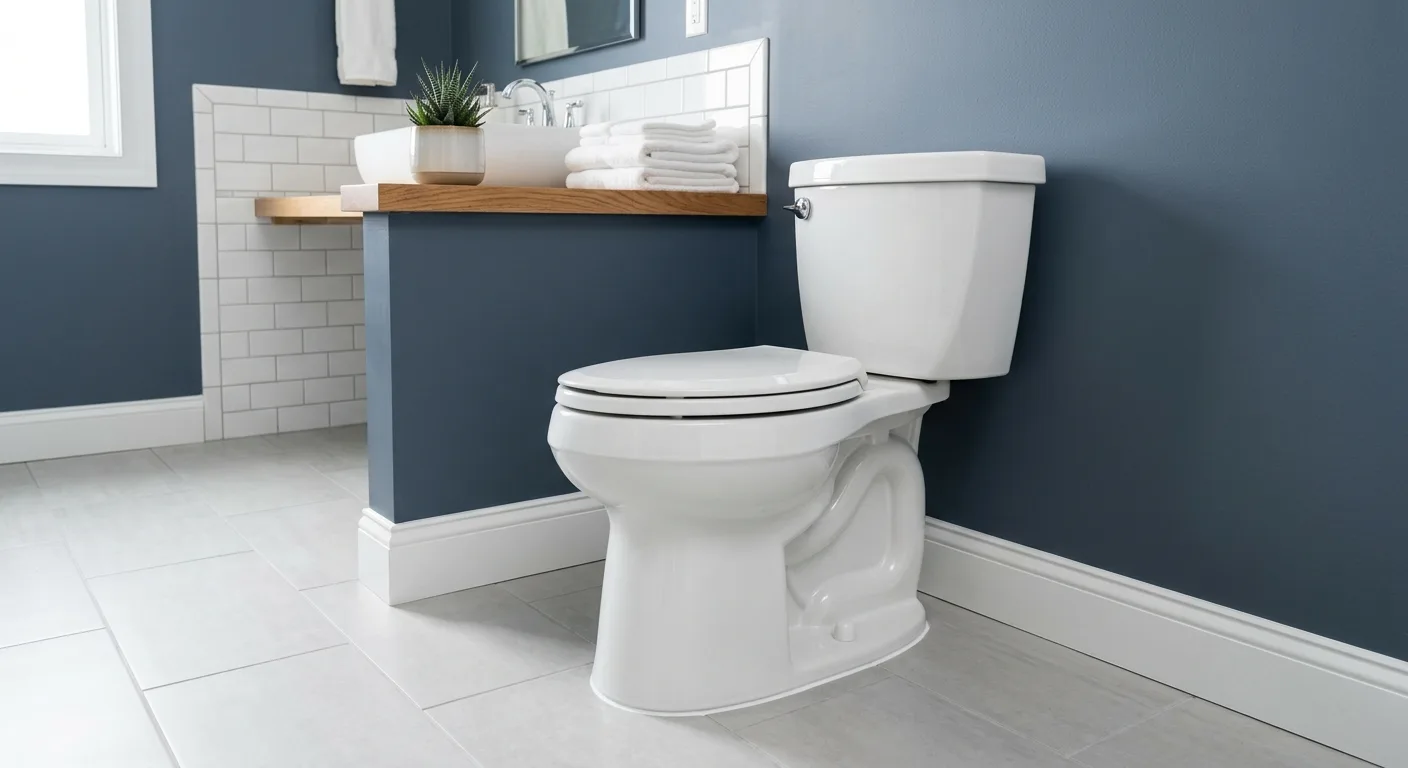
Honestly, most toilets can be repaired. If the porcelain is intact and the floor flange is solid, fixing the internal components is almost always the right call. A complete tank rebuild kit costs a fraction of a new fixture, and a properly rebuilt toilet will perform correctly for another decade. We won't push a replacement when a repair is the right call. Where replacement makes real sense: the toilet is cracking, it's a first-generation 3.5-gallon-per-flush model from the 1980s or early 90s, or the faucet and fixture upgrade you're doing means the toilet no longer matches the bathroom you're building. Twin City Pipeworks carries water-saving toilets on the service truck. If a replacement is warranted, we can put a quality, water-efficient unit in the same visit without a second trip to a supplier. We'll give you the numbers either way and let you decide.
Why Twin City Pipeworks
Rubber degrades over 3 to 5 years. Water leaks past the seat into the bowl continuously. Most common cause overall.
The valve doesn't shut off at full tank level. You hear water running even when the tank appears full.
Tank water rises to the overflow tube and drains into the bowl. Sounds like a very slow trickle from the tube.
Mineral deposits or physical wear prevent the flapper from sealing flush. Replacing the flapper alone won't fix it.
Hard water accelerates mineral buildup on the diaphragm seal inside the fill valve body, preventing full shutoff.
Water pooling around the base of a toilet is a different problem than a running tank, and it's one you shouldn't wait on. When you see water on the floor at the bottom of the bowl, it points to one of five things, and telling them apart is the whole job.
The most common cause is a failed wax ring. That's the seal between the bottom of the toilet and the closet flange in the floor. When it breaks down, water and waste weep out with every flush and collect at the base. Second is a loose or broken closet flange. If the flange has pulled up from the subfloor or cracked, the toilet rocks, the wax seal fails right along with it, and the leak comes back no matter how many times someone re-caulks it. Third is a hairline crack in the porcelain base itself, which is a replacement, not a repair. Fourth is condensation, where a cold tank sweats onto a warm bathroom floor and mimics a leak without any seal failure at all. Fifth is a weep from the supply line connection or the tank-to-bowl bolts up higher, with the water simply tracking down to the base where you finally notice it.
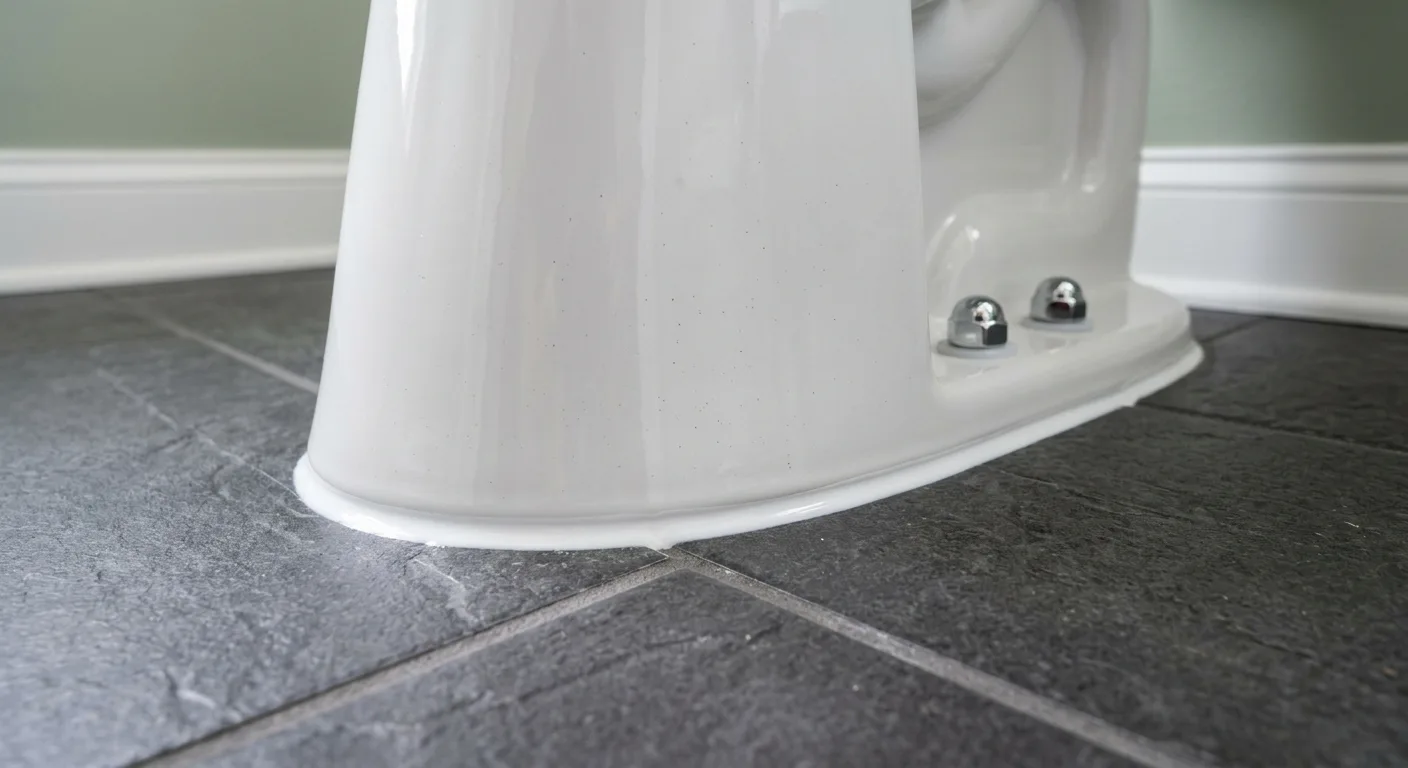
Here is why a base leak is more urgent than a running tank: it rots the subfloor fast. A running toilet wastes water into the bowl and down the drain. A base leak sends water and waste into the plywood or OSB under the toilet, where it stays wet. Minnesota subfloors don't dry out on their own in a humid summer or a closed-up winter, and we've pulled toilets in the St. Croix Valley to find the subfloor turned to compost under a floor that still looked fine from above. What starts as a wax-ring reset becomes a subfloor and flange rebuild if it sits.
"We don't guess at a base leak. We find out which of the five causes it actually is before we pull the toilet, because the fix for a bad wax ring and the fix for a broken flange are not the same job."
Here is how we diagnose which one it is:
Once we know the cause, the repair is straightforward. We shut the supply off at the angle stop, drain and lift the toilet, inspect the closet flange for cracks or corrosion, replace or repair the flange and any rotted subfloor if needed, set a fresh wax ring (a double-thickness ring where the flange sits below finished floor), bolt the toilet level and solid, and test-flush before we leave. New bolts and new caps every time, because the old mineral-crusted ones from a 60-year-old flange are not worth reusing. Book online to get a base-leak diagnosis on the schedule, or get an instant quote on a common repair task.
Real Reviews
Real feedback on upfront pricing, expert repairs, and service that gets the job done right.
Book your repair
Book online with Twin City Pipeworks to get a diagnosis on the schedule, or call or text (651) 247-4495. We serve Woodbury, Stillwater, Hugo, Mahtomedi, toilet repair in White Bear Lake, and communities throughout the east metro and St. Croix Valley. Every repair and replacement comes with our 1-year warranty on all work.
Prefer to call or text? 651-247-4495
Two easy ways to get started
Recent Work
A few of the repairs we have wrapped up for homeowners across the east metro and St. Croix Valley. Every photo below is from an actual job, not a stock image.
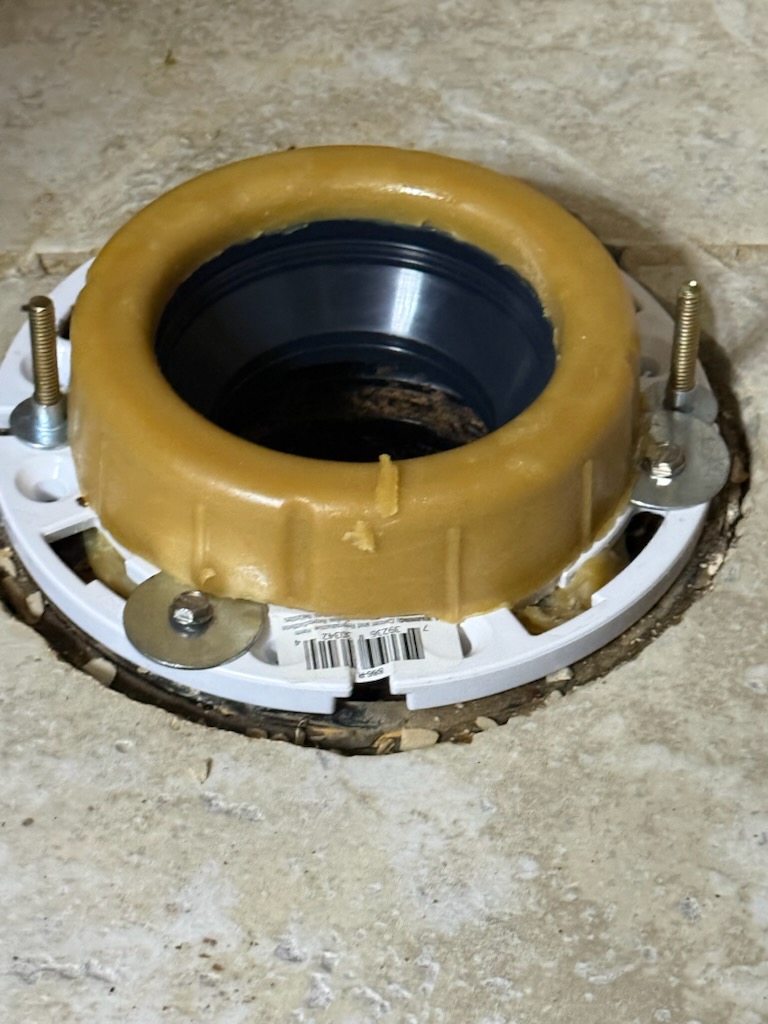
Oak Park Heights, MN
Set a new toilet and repaired the flange underneath it so the seal holds and the fixture sits solid.
Completed September 2026
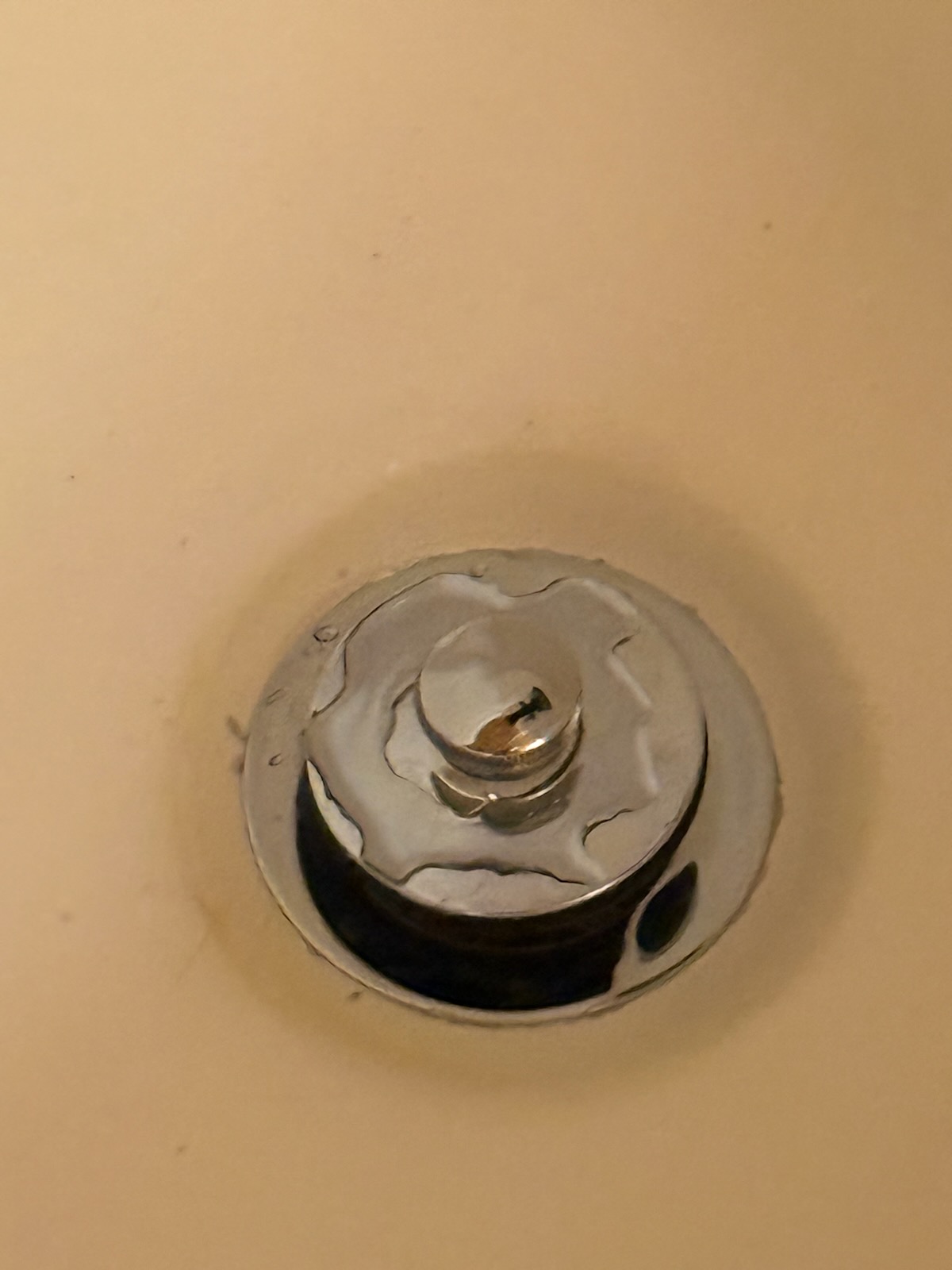
Lake Elmo, MN
Replaced a worn lift-and-turn tub drain so it seals and drains the way it should.
Completed September 2026
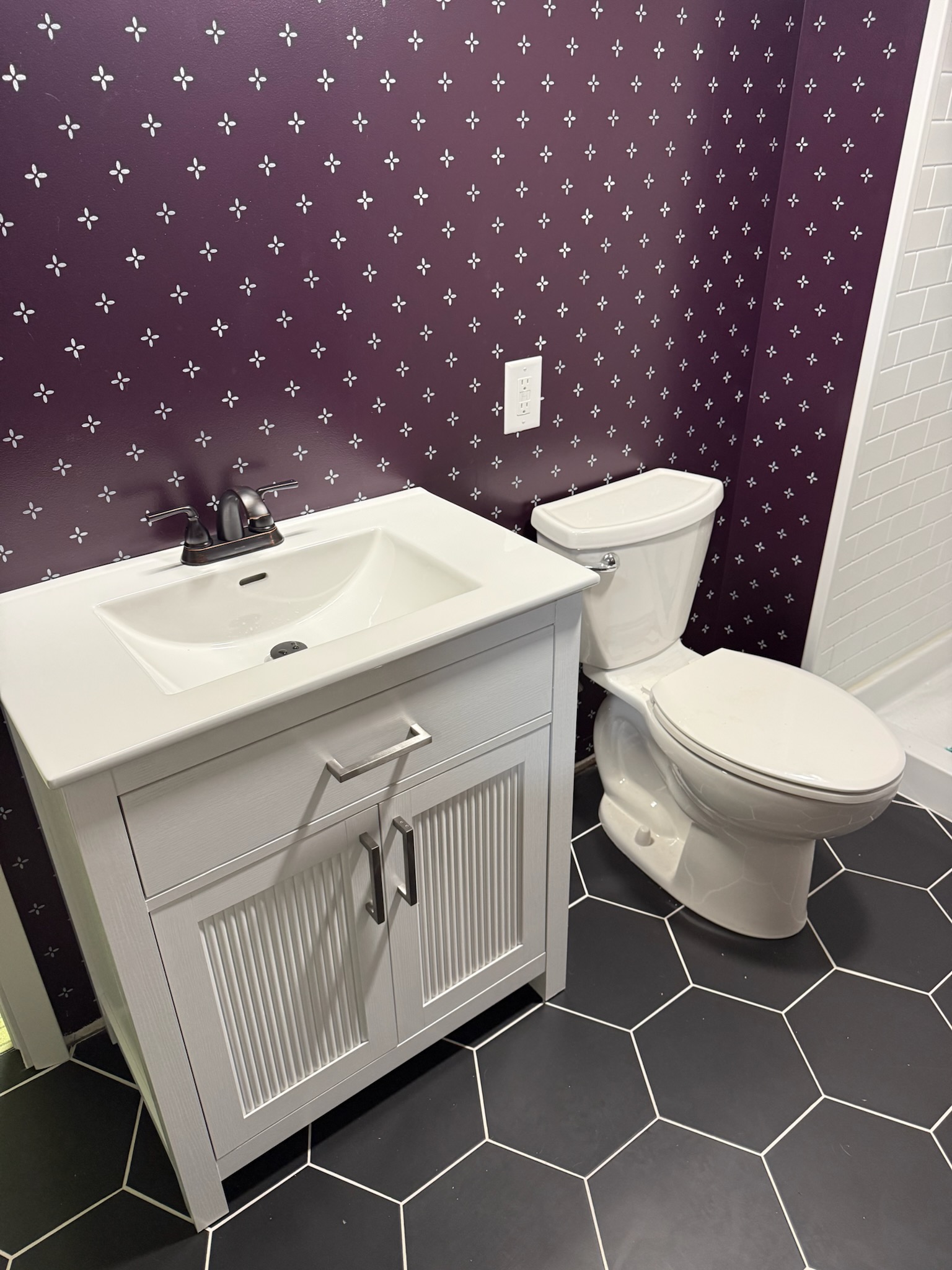
White Bear, MN
Reset the vanity and toilet after new tile went in, getting both back in service and sealed.
Completed September 2026
Keep Exploring
Jump straight to the service or info you need, or book your repair online any time.
Twin City Pipeworks
Honest, upfront pricing and a 1-year warranty on every job. Book your visit online, or get an instant quote on a common repair.
Prefer to call or text? 651-247-4495
Good to Know
From online booking to finished job, simple and transparent every step of the way.
Pick a visit time online, or get an instant quote on a common repair. No phone tag.
We assess your job and give you clear, honest pricing before any work begins. No surprises.
A licensed plumber shows up on time, does the job right, and cleans up when finished.
We walk through the finished work with you, backed by our 1-year warranty on all work.
Ready to get your plumbing fixed?
Book online in under a minute. Prefer to call or text? 651-247-4495.