Twin City Pipeworks Twin City Pipeworks Lake Elmo, MN
Water Heater Leaking From the Bottom? Here Is How to Tell What You Are Looking At

Leaking Water Heater

Water Heater Leaking From the Bottom? Here Is How to Tell What You Are Looking At

Water heater leaking from the bottom? Learn the three causes we actually see in east metro homes, which are safe to wait on, and when to shut the cold-water inlet. Licensed MN plumbing advice.

Prefer to call or text? 651-247-4495

5.0 · 482 Google reviews Licensed Master Plumber Fully Insured
482+
Five-Star Google Reviews
14+
Years in the Trade
5.0
Rated on Google
100%
Licensed & Insured

About Twin City Pipeworks

Why Homeowners Trust Us for Leaking Water Heater

If you just found water pooling under your water heater, the useful question is not "how bad is it" but "where is it actually coming from," because that answer decides whether you can wait a day or need to shut a valve right now. Twin City Pipeworks is a licensed, insured MN plumbing shop working the east metro and St. Croix Valley within about 30 minutes of Lake Elmo, and the vast majority of "leaking from the bottom" calls we get turn out to be one of three things: a dripping drain valve, a relief valve doing its job, or a tank that has finally rusted through. Two of those are small. One of them means the tank has to be replaced. This guide walks you through telling them apart before you spend a dime.

Here is the wrinkle specific to the homes we work. A lot of east metro water heaters live in tight utility closets, half-finished basement corners, or under a stair, tucked in so snug that you cannot see the base without a flashlight and a mirror. That matters, because a slow drip from a fitting at the top can run down the outside of the tank and puddle at the bottom, looking exactly like the tank itself failed when it did not. So before you assume the worst, the first job is figuring out whether the water is coming from the tank or just landing there.

Water Heater Leaking From the Bottom: Find the Source Before You Panic

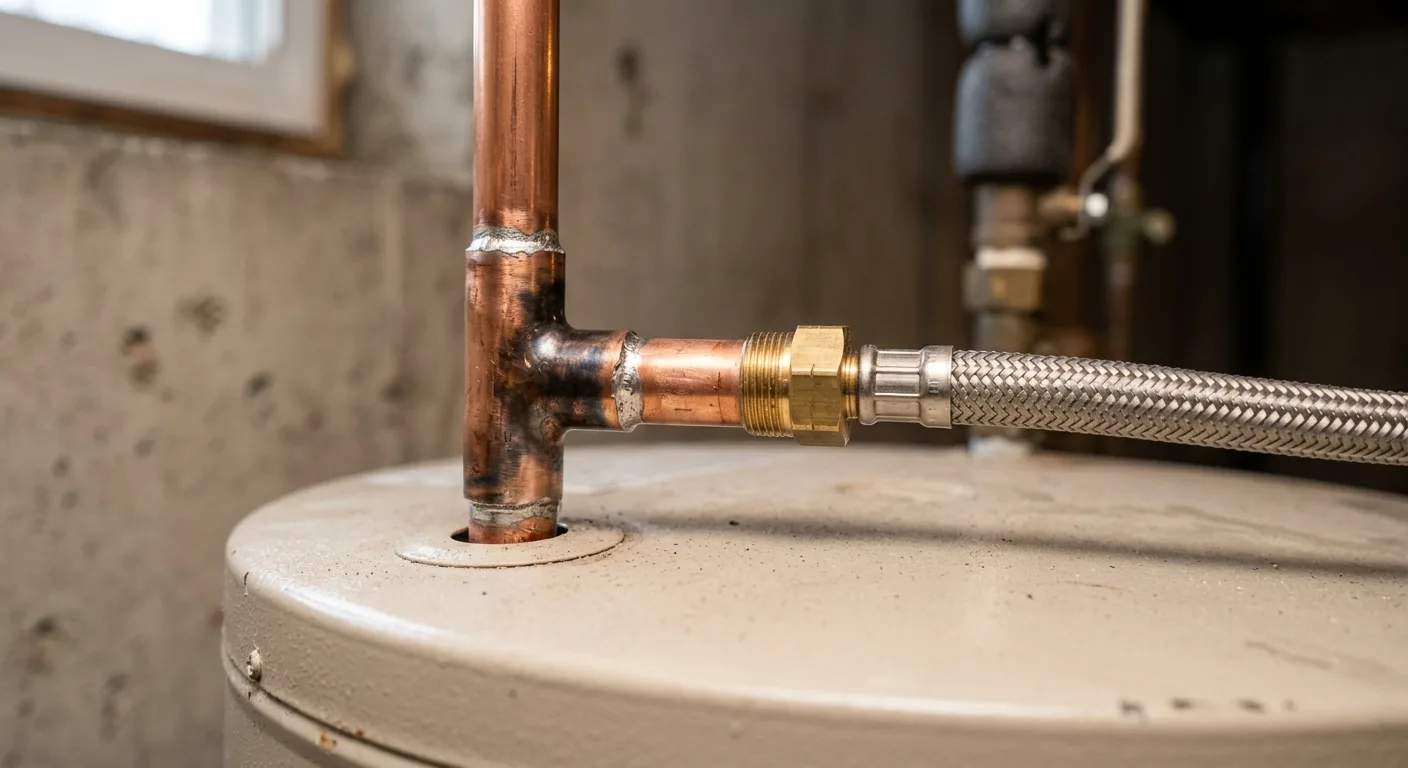
Licensed east metro plumber inspecting the drain valve of a residential water heater leaking from the bottom

Water at the base of the tank comes from one of two places: something up top that is dripping down, or the tank itself. Sort that first and you have narrowed the whole problem. Dry the area completely, lay a paper towel or two around the base, and check back in an hour or two to see where the water actually re-appears.

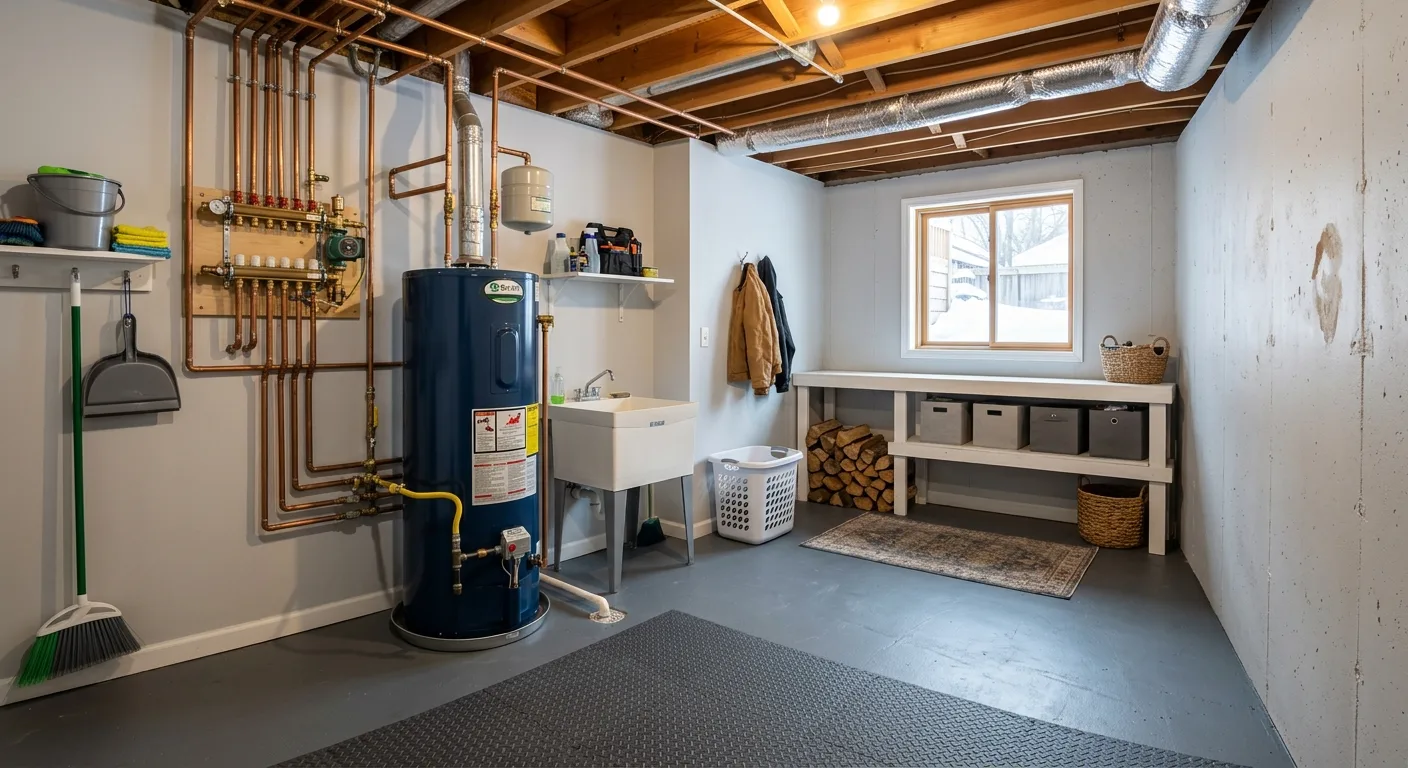
Replacement residential water heater installed to code after the original tank corroded through

Work top to bottom with a flashlight:

  • Cold and hot water connections at the top. Loose or corroded fittings drip and run straight down the side of the tank to the floor. This looks like a bottom leak but it is a fitting.
  • The T&P relief valve and its discharge tube. A valve that has opened leaves water in the tube or a puddle where the tube ends near the floor. That is a pressure or temperature signal, not a hole in the tank.
  • The drain valve near the bottom. The plastic or brass spigot at the base weeps when the washer wears out or it was left slightly open after a flush.
  • The tank seam and base itself. If the water is genuinely coming from under the jacket with nothing above it wet, the inner tank has likely corroded through. This one does not get better.
Licensed east metro plumber inspecting the drain valve of a residential water heater leaking from the bottom

If you can trace the water to a fitting, the drain valve, or the relief tube, you probably have a repair on your hands, not a replacement. If it is the tank, keep reading the danger section next.

Why Twin City Pipeworks

The Three Causes We Actually See in East Metro Homes

Across the water heaters we work in the east metro and St. Croix Valley, bottom leaks sort into three buckets. Knowing which one you have tells you whether to wait, book a repair, or plan for a new tank:

The drain valve is dripping

The spigot near the base weeps when its washer wears out or it was bumped or left cracked open after a flush. This is the most benign of the three. Often a repair, sometimes just a valve that needs closing fully or replacing. Safe to keep an eye on while you book.

The T&P relief valve is discharging

The temperature and pressure relief valve is a safety device. Water at the end of its discharge tube means it opened because pressure or temperature climbed too high. Do not cap or plug it. That water is the valve protecting you, and it needs a plumber to find why it tripped.

The tank has corroded through

When the inner steel tank rusts through, water seeps from the base with nothing above it wet. There is no patch for this. A tank leaking from the body has to be replaced, and this is where a licensed plumber sizes and swaps it correctly.

A loose top fitting (the impostor)

Not a true bottom leak at all. A drip from the cold or hot connection at the top runs down and pools below, mimicking a tank failure. This is a straightforward fitting repair once it is correctly identified.

Is a Leaking Water Heater Dangerous? Which Ones Can Wait

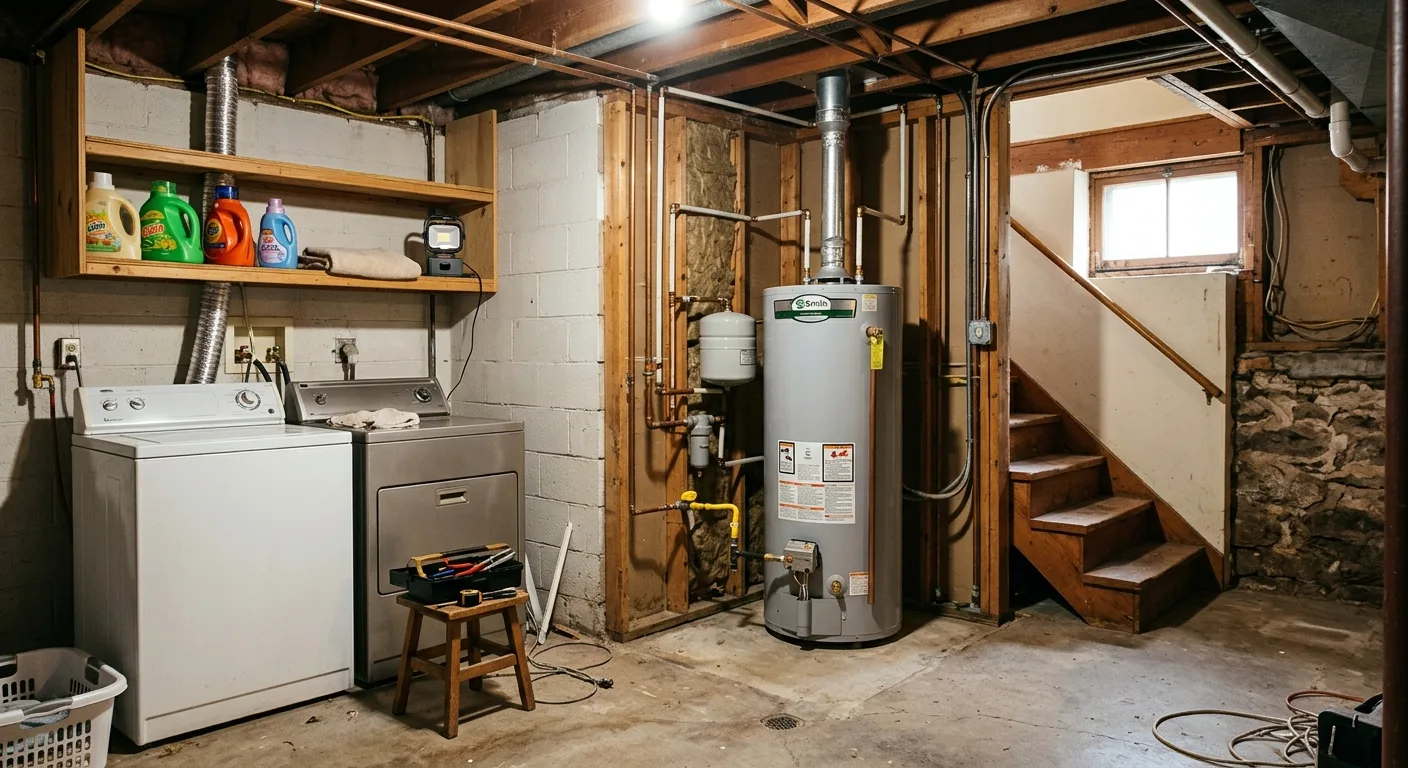
Licensed east metro plumber inspecting the drain valve of a residential water heater leaking from the bottom

Most leaking water heaters are not dangerous in the next five minutes, but a few situations mean you shut the cold-water inlet valve now and do not wait. The honest answer is that it depends entirely on which of the three causes you have, so here is the line we would draw for a neighbor.

Shut the cold-water inlet valve if any of these are true

Licensed east metro plumber inspecting the drain valve of a residential water heater leaking from the bottom

The cold-water inlet valve sits on the pipe going into the top of the tank, usually a lever or a round handle. Turning it off stops fresh water from feeding the tank and stops a leak from getting worse. Do it now if:

  • Water is actively pooling from the base of the tank and spreading across the floor.
  • The T&P relief valve is discharging steadily or the tank is making a rumbling or hissing sound, which can point at overheating.
  • The leak is near electrical, a gas connection, or a finished ceiling below the unit.
A relief valve that keeps discharging is the one people ignore that they should not. It is not a nuisance drip. It is telling you the tank is building pressure or running too hot, and capping it removes the safety. Shut the cold inlet and get it looked at.
Replacement residential water heater installed to code after the original tank corroded through

What can usually wait a day or two: a slow drain-valve drip you have caught in a pan, or a top-fitting drip you can see and contain. Those are real repairs, but they are not emergencies. Dry the area, set a pan or towels, and get it on the schedule. If your problem is that you have no hot water at all rather than a leak, our no hot water triage guide is the better starting point. When you are ready, you can book a water heater repair online with upfront per-task pricing, or get an instant quote on a common repair. Prefer a person? Call or text (651) 247-4495.

Why Twin City Pipeworks

Repair or Replace: How We Read a Leaking Tank

The repair-versus-replace call comes down to where the water is and how old the tank is. This is the decision tree we use, and it includes the cases where you do not need much done at all:

Likely a repair

A dripping drain valve, a loose or corroded top fitting, or a relief valve that needs diagnosis and replacement. These are per-task repairs on an otherwise sound tank, and the fix keeps a working heater working.

Age changes the math

A standard tank water heater runs roughly 8 to 12 years. If a tank near or past that age is leaking from the body, repairing around it rarely pays. In the hard water common across parts of the east metro, sediment shortens that lifespan further.

A replacement

Water seeping from the base of the tank itself, with nothing above it wet, means the inner tank has corroded through. There is no reliable patch. This is when the tank has to be replaced by a licensed plumber.

Gate it to a licensed MN plumber

Sizing, gas and venting, expansion tanks, and code all come into play on a swap. We do not guess a tank size off a photo. A licensed plumber confirms the diagnosis on site before anything is quoted or replaced.

Book your repair

Found the Source? Get It on the Schedule

Whether it is a drain valve you can hear dripping, a relief valve you need diagnosed, or a tank that has finally given out, Twin City Pipeworks handles water heater repair and, when the tank has to be replaced, a full replacement sized and installed to code. We work the east metro and St. Croix Valley within about 30 minutes of Lake Elmo, with upfront per-task pricing, full insurance, and a 1-year warranty on all work. Not a leak but no hot water at all? Start with our no hot water triage. Get an instant quote on a common repair, or book online. Prefer a person? Call or text (651) 247-4495.

Prefer to call or text? 651-247-4495

Two easy ways to get started

  • Book online — pick a visit time that works for you, no phone tag.
  • Get a repair quote — common repair tasks priced in minutes with our online tool.

Keep Exploring

Where to Next?

Jump straight to the service or info you need, or book your repair online any time.

Twin City Pipeworks

Ready to get it fixed right?

Honest, upfront pricing and a 1-year warranty on every job. Book your visit online, or get an instant quote on a common repair.

Prefer to call or text? 651-247-4495

Good to Know

Frequently Asked Questions

My water heater is leaking from the drain valve. Is that serious? +
Usually it is the most benign of the bottom-leak causes. The drain valve is the spigot near the base, and it weeps when the internal washer wears out or the valve was left slightly open or bumped after a flush. Sometimes closing it fully stops it. When the washer or the valve itself is worn, it is a straightforward repair on an otherwise sound tank. Set a pan under it, keep an eye on it, and book a water heater repair online. It is not an emergency, but a weeping valve does not fix itself.
Should I replace or repair a leaking water heater? +
It depends on where the water is coming from and how old the tank is. A dripping drain valve, a loose top fitting, or a relief valve that needs diagnosis are repairs on a tank that is otherwise fine. But if water is seeping from the base of the tank body with nothing above it wet, the inner tank has corroded through, and there is no reliable patch for that. Since a standard tank lasts about 8 to 12 years, a body leak on an older unit almost always means replacement. A licensed MN plumber confirms which case you have on site before anything is quoted. When the tank has to go, we handle water heater replacement sized and installed to code.

Is a leaking water heater dangerous? +
Most slow leaks are not dangerous in the next few minutes, but a few situations mean you shut the cold-water inlet valve right away. Do that if water is actively pooling from the base and spreading, if the T&P relief valve is discharging steadily or the tank is rumbling or hissing (a sign of overheating), or if the leak is near electrical, a gas connection, or a finished ceiling below. A slow drain-valve or top-fitting drip you can catch in a pan can usually wait a day or two while you book. Never cap or plug the relief valve. That water is the valve protecting you.
Why is water pooling under my water heater if the tank looks fine? +
Because the water may not be coming from the tank at all. A drip from a loose or corroded connection at the top of the heater runs down the side and pools at the base, looking exactly like a tank failure. This is common in the tight utility closets we see across the east metro, where you cannot easily view the back of the tank. Dry everything, lay paper towels around the base, and check in an hour to see where the water re-appears. If it traces to a fitting, the drain valve, or the relief tube, it is a repair, not a replacement.
Do you offer emergency service for a leaking water heater? +
No, we are an owner-run shop serving the east metro and St. Croix Valley by appointment, Monday through Friday. For most water heater leaks that is fine, because shutting the cold-water inlet valve stops the leak from getting worse and buys you the time to dry things out and book a proper repair. Book online any time with upfront per-task pricing, or call or text (651) 247-4495 if you would rather talk it through.
Our Process

How It Works

From online booking to finished job, simple and transparent every step of the way.

01

Book Online

Pick a visit time online, or get an instant quote on a common repair. No phone tag.

02

Upfront Quote

We assess your job and give you clear, honest pricing before any work begins. No surprises.

03

We Get to Work

A licensed plumber shows up on time, does the job right, and cleans up when finished.

04

Job Done Right

We walk through the finished work with you, backed by our 1-year warranty on all work.

Ready to get your plumbing fixed?

Book online in under a minute. Prefer to call or text? 651-247-4495.

Book Online